
Published On:
15 Medieval Farmhouse Ideas for Authentic Rustic Home Design
Share:


Medieval farmhouses offer a unique blend of rustic charm and historic character that can add warmth and personality to your home. These designs often feature natural materials like wood and stone, creating a cozy and timeless atmosphere that feels both simple and sturdy.
If you want to bring the look and feel of medieval farmhouses into your living space, these 15 ideas will guide you on how to achieve that rustic and inviting style. Whether you prefer subtle touches or a stronger medieval influence, these ideas can help you create a home that reflects the peaceful, hardworking spirit of the past.
1) Stone Walls with Exposed Timber Beams

You can create a strong medieval farmhouse look by using stone walls paired with exposed timber beams. Stone walls add a sense of durability and history to your space. They bring a natural, earthy feel that grounds the room.
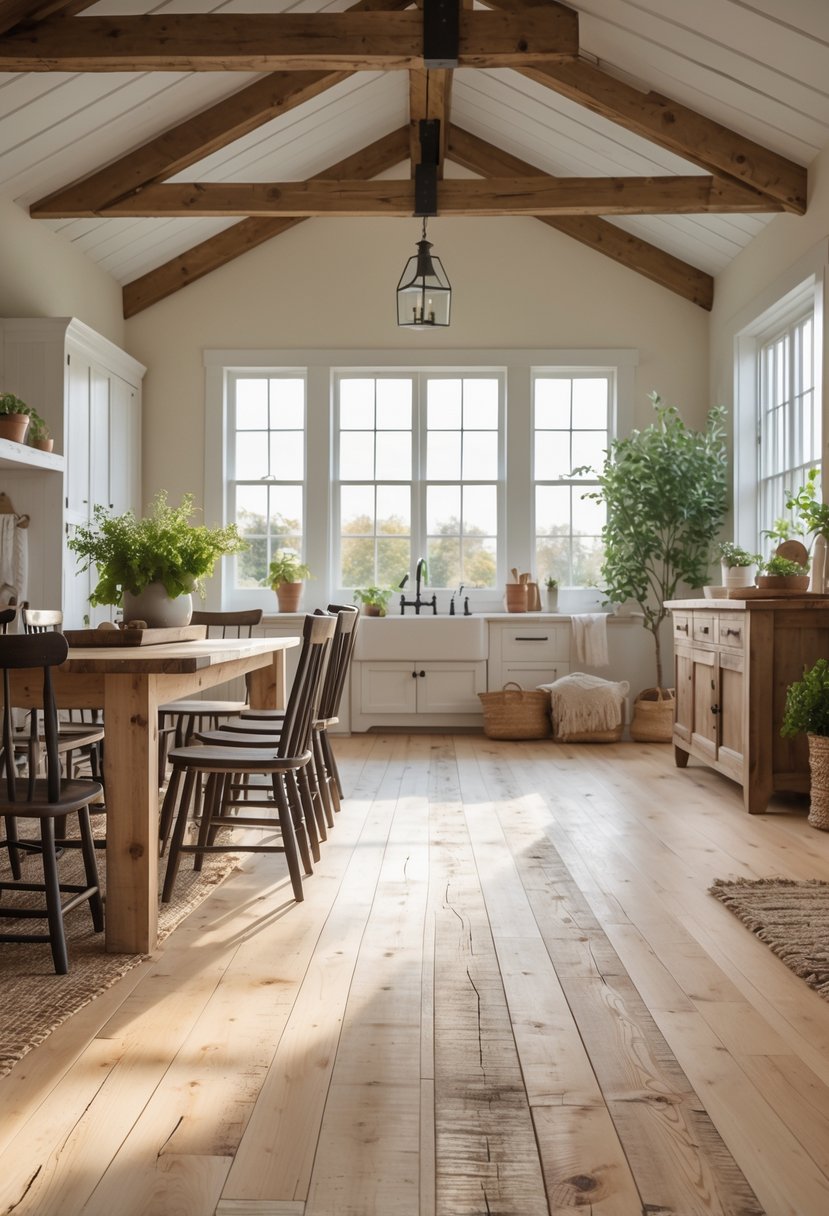
Exposed timber beams add warmth and texture to your ceilings. They create a rustic, cozy atmosphere. When combined with stone, these beams highlight the farmhouse’s sturdy craftsmanship.
This mix of materials also helps keep rooms feeling open yet inviting. You can use natural finishes on the beams to maintain an authentic look. Stone and wood together give your home a balanced blend of ruggedness and comfort.
2) Iron Chandeliers and Wall Sconces

You can add a strong medieval feel to your farmhouse by using iron chandeliers and wall sconces. These lighting fixtures bring a sturdy, old-world look that fits perfectly with rustic wood and stone.
Iron chandeliers often feature simple, bold designs. They give your room a timeless appearance without being too flashy. Wall sconces, on the other hand, add soft, warm light to smaller spaces like hallways or dining areas.
Choosing wrought iron fixtures helps you blend medieval style with farmhouse charm. You can also pick sconces that hold candles or use modern bulbs for convenience. Both options create a cozy, inviting atmosphere that highlights the history and craft of medieval décor.
3) Thatched Roof Design
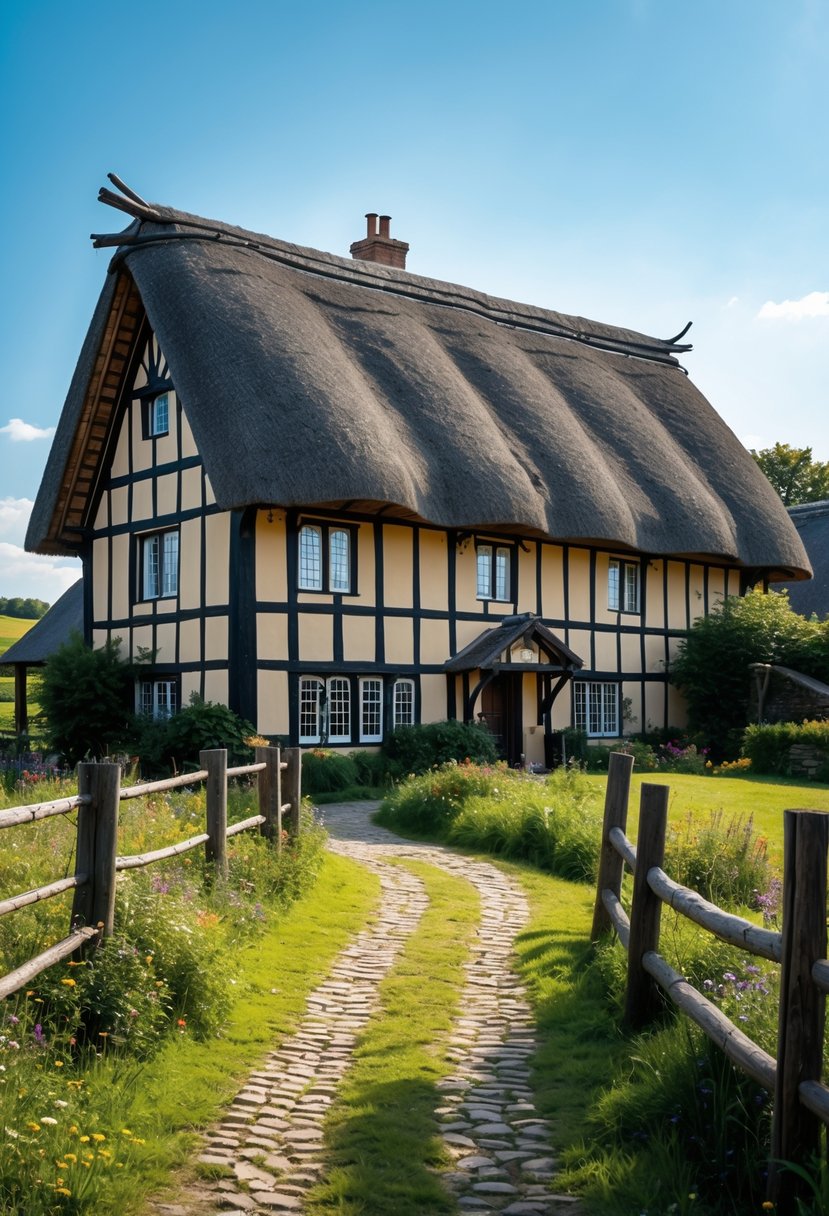
You can add a traditional touch to your farmhouse with a thatched roof. These roofs use natural materials like straw or reeds, which are woven tightly to keep out rain and wind. The technique creates a thick layer that insulates the house.
Thatched roofs have a unique look with gentle curves and a textured surface. They were common in medieval villages and still bring a rustic charm to homes today. When you choose this design, you also get a roof that is breathable and eco-friendly.
Keep in mind, thatched roofs need regular maintenance. You’ll inspect for loose or damaged areas and replace small sections as needed. This care helps the roof last longer while keeping your farmhouse cozy and weatherproof.
4) Large Hearth Fireplace
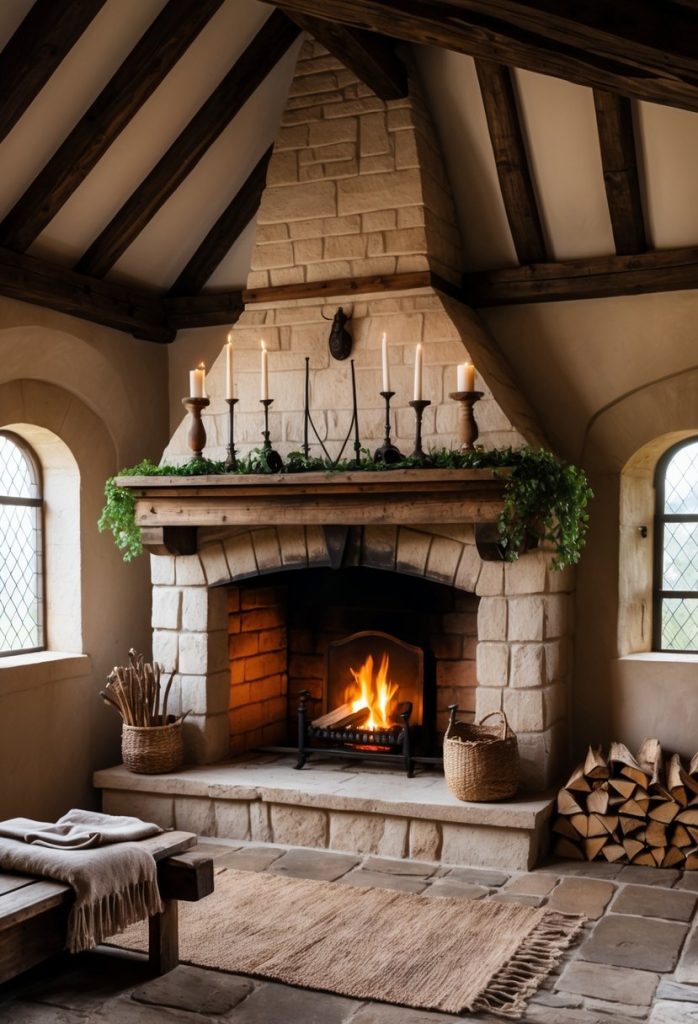
A large hearth fireplace is a standout feature in any medieval farmhouse. You can use stone or brick to build a big, sturdy hearth that serves as both a heat source and a gathering spot. The size allows you to cook meals or dry herbs right above the fire.
With a large hearth, your fireplace becomes a central part of your home’s daily life. It creates a warm atmosphere and gives your farmhouse an authentic, old-world feel.
You might add a wide wooden mantel or iron tools for a practical, rustic look. Keep the design simple and functional, true to medieval style, while making sure it fits your space and needs.
5) Arched Wooden Doors

Arched wooden doors add charm and character to your farmhouse. Their curved shape stands out from regular doors and brings a sense of history to your home.
You can choose from different wood types like oak or alder. These woods give warmth with natural grains and knots that fit a rustic look. Some doors have glass panels or raised designs to add detail without losing the farmhouse feel.
These doors work well for both main entrances and interior spaces. They create a cozy, inviting atmosphere while showing craftsmanship. Installing arched wooden doors gives your farmhouse a timeless style that connects past and present.
6) Leadlight Windows
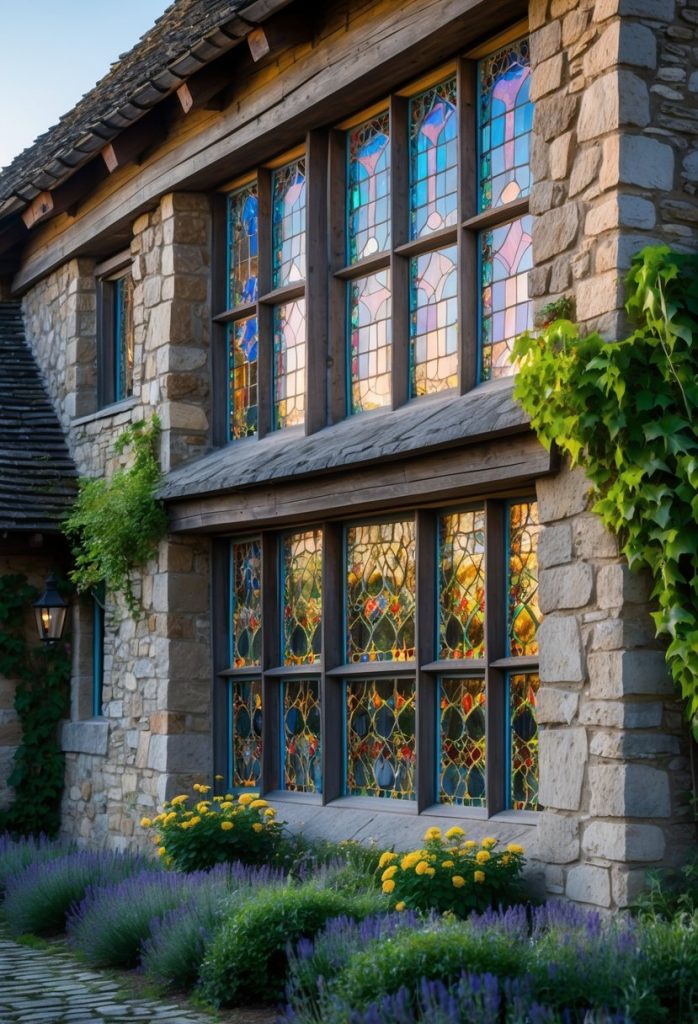
You can add a unique touch to your medieval farmhouse with leadlight windows. These windows use small pieces of glass held together by lead strips, creating simple yet elegant designs. They let in soft, colored light without being overly detailed like stained glass.
Leadlight windows work well in doors, side panels, and even cabinets. They bring an artistic look and add character to your home. Because they are less complex than stained glass, they tend to fit the rustic and practical feel of a farmhouse.
When placed properly, leadlight windows bring charm and warmth to your space. They also connect your home’s medieval style with natural light in a subtle, graceful way. Choosing leadlight windows can balance elegance and simplicity in your farmhouse design.
7) Tapestry Wall Hangings
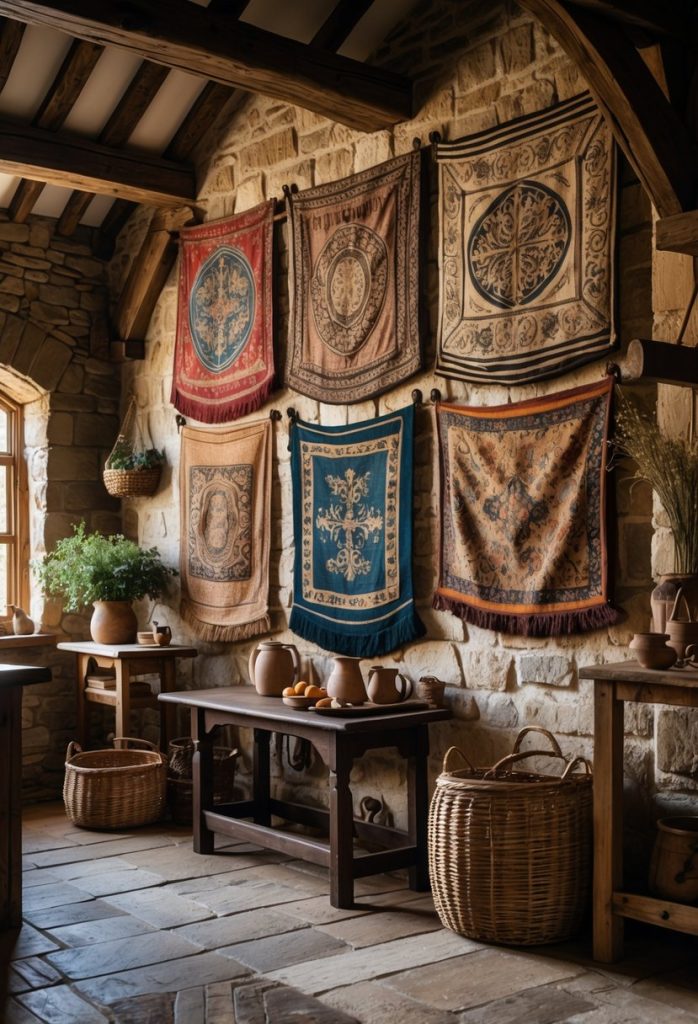
You can add a medieval touch to your farmhouse by hanging tapestry wall art. These tapestries often show scenes of knights, castles, or nature that fit well with a rustic style. They bring texture and color to plain walls without needing extra furniture.
Look for tapestries made from woven fabric to keep an authentic feel. You can find handmade or vintage pieces that add character and tell a story in your space. If you prefer a personal touch, you might try making your own tapestry with simple fabric and paint.
Tapestries work well in living rooms, dining areas, or hallways where they catch the eye. They also help soften large rooms, making the space feel cozier and warmer, just like medieval homes once were.
8) Rustic Wooden Furniture

You can create a strong medieval farmhouse look with rustic wooden furniture. Choose pieces made from natural wood with visible grain and knots. This adds a simple, authentic feel to your space.
Look for designs that have a sturdy, handcrafted appearance. Tables, chairs, and cabinets with rough edges or distressed finishes work well. These details give your home a sense of history without feeling overly fancy.
Mix dark woods with lighter tones for contrast. This helps keep the room warm and inviting. Adding iron hardware or metal accents can enhance the medieval farmhouse style. Keep your furniture functional but rich in character.
9) Handcrafted Wrought Iron Hardware

You can add an authentic medieval farmhouse look with handcrafted wrought iron hardware. Pieces like hinges, drawer pulls, and hooks made by skilled blacksmiths bring a strong, rustic feel to your home.
Using hand-forged iron ensures each item is unique. The craftsmanship you get often reflects old-world techniques that last for years. This hardware works well on doors, cabinets, and even barn-style features.
Mixing wrought iron with wood enhances the farmhouse style. The dark metal contrasts nicely with natural wood tones. Choosing handmade items helps you avoid mass-produced hardware and gives your space a genuine touch.
10) Cobblestone Pathways

You can use cobblestone pathways to add a historic feel to your medieval farmhouse. Cobblestones offer a rough, uneven surface that looks natural and fits well with old-style homes.
This kind of path is durable and can handle heavy foot traffic. The stones come in different shapes and colors, so you can create patterns that match your home’s style.
A cobblestone path also brings texture and charm to your yard. It makes the entrance inviting while staying true to the rustic, medieval look you want.
You should consider simple edging to keep the stones in place. Gravel or grass edges work well and add to the natural, worn-in appearance.
11) Medieval Herb Garden
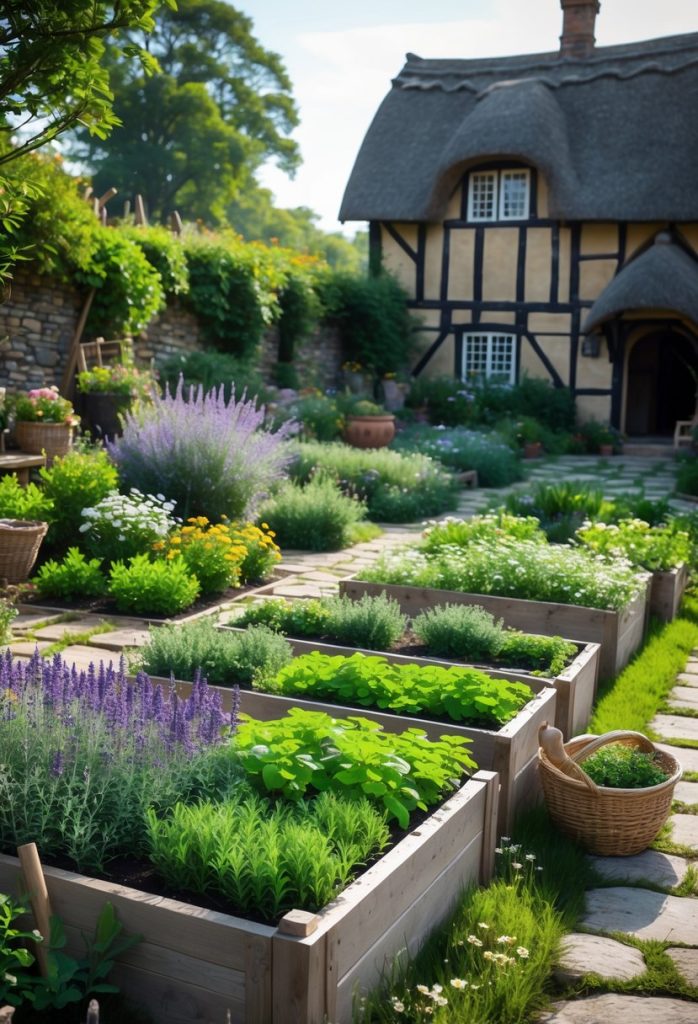
A medieval herb garden was a key part of farmhouse life. You can grow herbs like sage, tansy, and burnet, which were used for cooking, medicine, and even freshening the air.
The garden was usually arranged in simple geometric patterns. This made it easy for you to reach every plant and keep the space tidy. Paths between the herbs helped with harvesting and care.
Bright lighting was important, especially at night. This allowed you to see the plants clearly and pick fresh herbs when needed. Borders and hedges kept the garden neat and protected.
Including a variety of useful herbs adds both beauty and function to your medieval farmhouse garden. It connects you to the traditions of the past while providing practical benefits today.
12) Open-beamed Ceilings
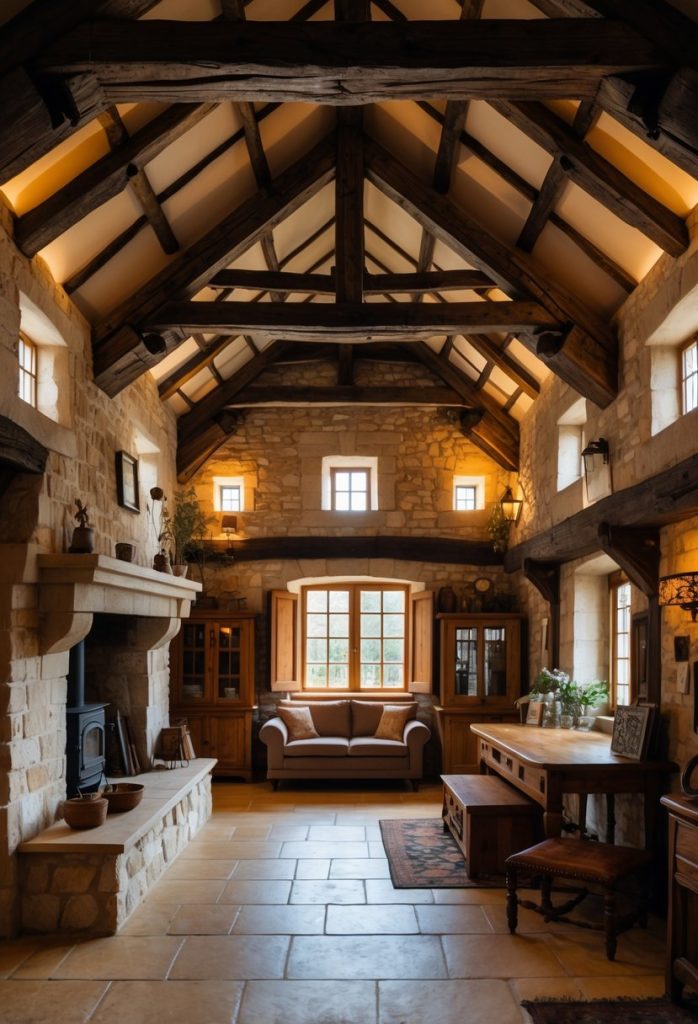
Open-beamed ceilings are a key feature in many medieval farmhouses. You can create a strong sense of history by exposing the wooden beams overhead. These beams add texture and structure, making your ceilings feel taller and rooms more spacious.
Using natural or reclaimed wood for the beams brings an authentic, rustic look. The rough, unfinished surfaces show the craftsmanship of the past. You can pair the beams with simple whitewashed or plaster ceilings to keep the space feeling light and airy.
Open beams also let you play with lighting and decor. Hanging lantern-style lights or wrought iron fixtures from the beams fits the medieval style well. In your farmhouse, these ceilings connect the past and present in a natural, lasting way.
13) Plaster and Wattle Interior Walls
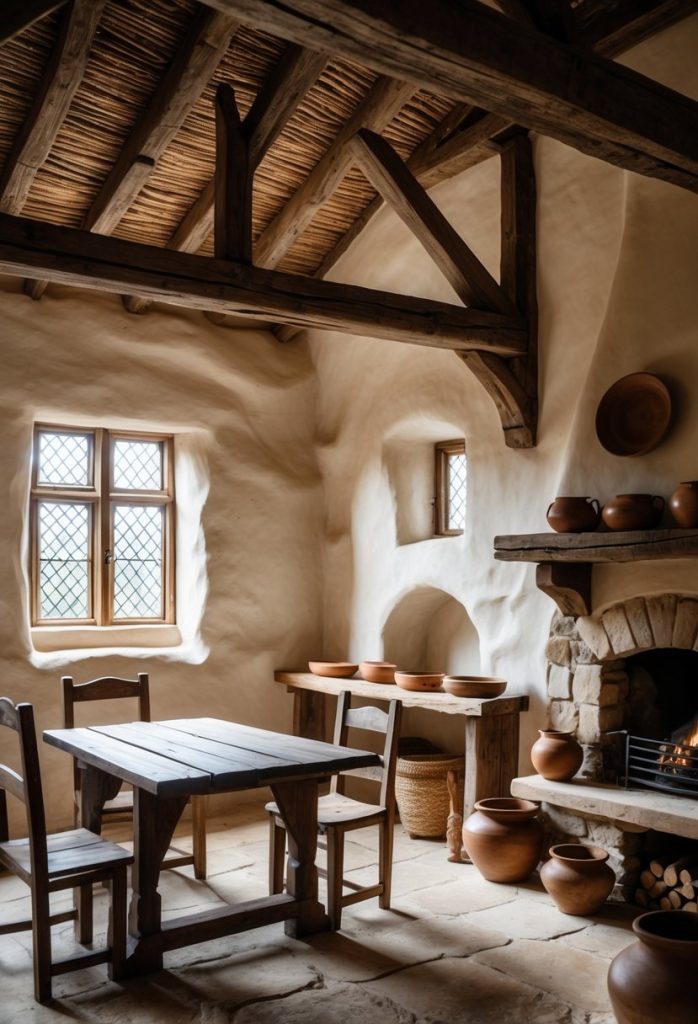
You can create a medieval farmhouse look by using plaster and wattle walls inside your home. Wattle is made by weaving thin wooden sticks between vertical supports. This creates a strong framework.
After weaving the wattle, you apply plaster to fill the gaps. The plaster works like a wall finish and adds texture. This method was common in medieval times because it was simple and used natural materials.
Your walls will have a rustic, uneven look that adds character. It also brings warmth and history into your space. Using plaster and wattle walls can help you bring a genuine medieval feel to your farmhouse interior.
14) Stone Flooring with Radiant Heat

Stone floors fit well with a medieval farmhouse style because they add a historic and natural look to your space. But stone can feel cold, especially in winter. To fix this, you can install radiant heating below the stone.
Radiant heat warms the floor evenly. It keeps your feet comfortable without changing the stone’s appearance. This system uses electric wires or warm water pipes under the stone to provide gentle heat.
Using radiant heat also helps protect the stone. It stops moisture buildup that might cause damage. Overall, this is a smart way to enjoy the beauty of stone flooring and stay warm in your medieval farmhouse.
15) Heavy Wooden Kitchen Tables
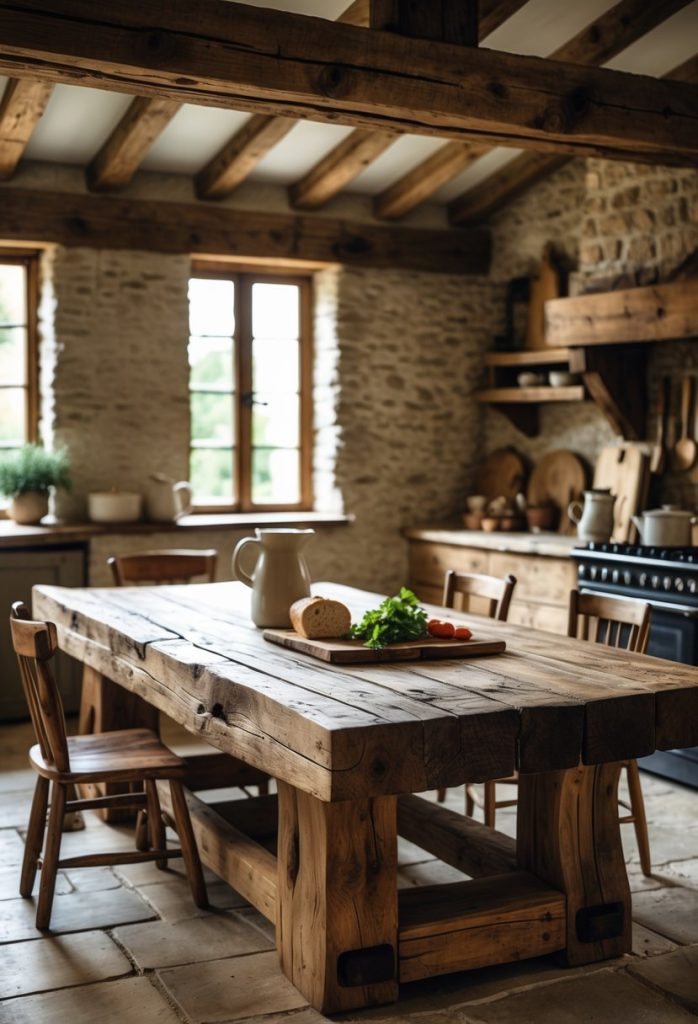
You can add a strong, authentic look to your kitchen with a heavy wooden table. These tables are often made from solid wood like oak or pine, giving them a sturdy feel and lasting durability. Their weight adds to the sense of stability and quality.
A heavy wooden kitchen table fits well in a medieval farmhouse style. The thick wood and simple design bring a timeless, practical charm. You will find these tables often have rough edges or visible grain, showing natural beauty without extra polish.
If you want a table that can serve daily use and create a warm gathering space, this is a good choice. You can pair it with benches or simple chairs to keep the look old-fashioned and strong. Heavy wooden tables work well in kitchens where you want both function and history.
FAQs
What are the common characteristics of a medieval farmhouse architecture?
You can expect thick stone walls paired with exposed timber beams. Roofs are often thatched, providing insulation and a rustic feel. Large hearth fireplaces serve as the home’s center for cooking and warmth.
Iron chandeliers and wall sconces offer practical lighting while adding old-world charm. Arched wooden doors provide both strength and a distinct medieval appearance.
How can one incorporate modern amenities into a medieval farmhouse design without sacrificing authenticity?
To keep the medieval look, hide modern features behind classic designs. Use period-style cabinetry and iron hardware for kitchens and bathrooms. Conceal wiring and pipes where possible within stone or timber.
Modern heating and plumbing can be installed without visible changes. Choose fixtures that complement rustic iron or wood accents to blend with your farmhouse style.
What materials are typically used in constructing a medieval farmhouse?
Stone forms the main walls, often rough-cut for a natural appearance. Timber beams support the roof and ceilings. Thatched roofing made from straw or reeds is common for insulation.
Iron is used for hardware such as nails, hinges, and lighting fixtures. Earth or clay floors were typical but can be replaced with stone or wood in modern updates.
What is the layout of a traditional medieval farmhouse?
You will usually find a simple rectangular shape with few internal walls. The large hearth fireplace is centrally located. Living and working spaces often share one open room.
Private bedrooms, if present, are small and plain, usually upstairs or in a loft area. Storage might be integrated into wall niches or built-in cupboards.
How do landscape design principles complement medieval farmhouse aesthetics?
Surround your farmhouse with herbs, vegetable gardens, and simple pathways made from stone or gravel. Trees and wildflowers add a natural, untamed look.
Keep fences low and made from wood or stone. Water features like wells or small ponds enhance the rustic charm and serve functional needs.
Can you suggest color palettes suitable for a medieval farmhouse interior?
Choose earth tones such as deep browns, muted greens, soft grays, and warm ochres. These colors reflect natural materials like wood, stone, and clay.
Add accents in dark iron or wrought metal shades. Use textiles in muted reds or blues for a traditional touch without overpowering the simple, earthy base colors.